Should Toddlers Read Before or After Brushing Their Teeth?
Parents ask this question often, and the short version surprises most people: the order rarely matters for your toddler’s teeth. What matters is what touches their mouth after the final brush of the night. Get this part right, and reading before or after brushing both work.
Written with the assistance of Claude AI and reviewed by the Chilkibo Editorial Team using pediatric literacy research and child development sources
The Short Answer
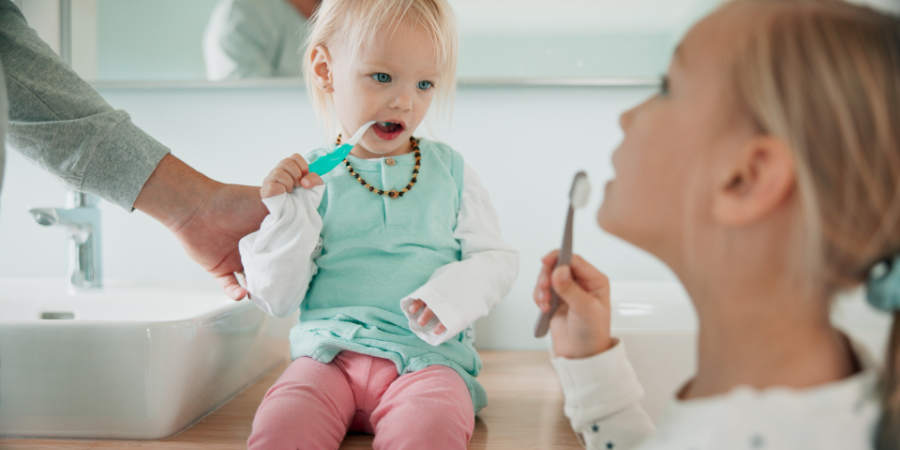
The American Academy of Pediatrics built an entire bedtime program around a simple sequence: Brush, Book, Bed. Brush teeth first, read together second, then go to sleep. This order works well for most families and gives children a predictable end to the day.
Reading before brushing works too, provided one condition holds. Nothing except water touches your toddler’s teeth after the last brushing of the night. Milk, juice, a bedtime snack, even a sip of something sweet, undoes the protection brushing gives. The order of story and toothbrush matters far less than this single rule.
Why the AAP Recommends Brushing First
Brush, Book, Bed places reading right after brushing on purpose. Brushing often meets resistance from young children, so putting it before the reward of a favorite book gives your toddler something to look forward to once the less fun task ends. The story then acts as a calm bridge between an active task and sleep, easing the transition instead of ending the night on a task some toddlers fight.
A predictable order also helps toddlers understand what comes next without a battle each night. Once brush, book, bed becomes familiar, most toddlers stop asking why they need to comply and start moving through each step on their own.
The Rule Protecting Your Toddler’s Teeth
Saliva production drops while your toddler sleeps. Saliva normally washes away food particles and neutralizes acid produced by bacteria on the teeth. With less saliva overnight, any sugar or food residue left on the teeth sits there for hours with far less natural protection. This is one reason baby bottle tooth decay develops so quickly in toddlers who go to bed with a bottle of milk or juice instead of water.
The practical rule follows directly from this: the last thing to touch your toddler’s teeth before sleep should be a toothbrush, not a snack, a cup, or a bottle. Whether the book comes before or after brushing, protect the window right after the final brush. No food. No juice. No milk. Water only, if anything at all.
When Reading Before Brushing Works Better
Some families prefer reading first, then brushing as the literal last step of the night. This works fine for a toddler who gets more worked up when a book interrupts the wind-down right before sleep, or for a family wanting brushing to feel like the true closing ritual rather than a task squeezed into the middle.
The condition stays the same. Read the story, then brush, then go straight to bed without a stop for water bottles, milk, or a forgotten snack. As long as nothing but plain water touches your toddler’s mouth between the last brush and sleep, flipping the classic Brush, Book, Bed order to Book, Brush, Bed protects their teeth equally well.
Families with toddlers who eat a small bedtime snack sometimes find this order easier to manage. Fitting the snack into story time, well before the final brush, keeps sugar and crumbs away from freshly brushed teeth.
What to Avoid Regardless of Order
A few habits undo the benefit of brushing no matter when the story happens.
Nursing or offering a bottle after the last brushing lets milk sugars sit on the teeth all night. Water is the only safe option once brushing is done.
Rinsing your toddler’s mouth with water right after brushing washes away the thin layer of fluoride left behind by toothpaste. Pediatric dental guidance recommends having your toddler spit out extra toothpaste without rinsing.
Letting a snack sneak in during story time after brushing, crackers, a granola bar, dried fruit, leaves sugar and starch on the teeth overnight even without a full meal.
Building a Routine for Your Family
Consistency matters more than which order you choose. A toddler who knows brushing, reading, and bed happen in the same order every night settles into the routine faster than one facing a different sequence each evening. Our guide on how to create a bedtime reading routine for your toddler walks through building a sequence your toddler recognizes and expects.
The reading part of the routine carries its own benefits beyond winding down. Our article on why reading before bed helps toddlers wind down covers the calming effect of a familiar story on a toddler’s body and mind.
Picking the right book for this slot in the routine matters too. Our guide on bedtime books for toddlers, what to read, when to read, and why it matters covers choosing stories suited to this part of the day. If your toddler already asks for the same book each night, our piece on whether you should read the same bedtime book every night explains why the repetition helps rather than hurts.
A Simple Way to Combine Both
Pick the order fitting your family, then protect it with the same rule every night. If brushing happens first, keep the story calm enough to lead straight into bed. If the story happens first, treat brushing as the true final step, with nothing but a straight walk to bed afterward. Personalized stories including your toddler’s name work well in either spot, since toddlers who hear their own name in a story tend to settle into the routine with less resistance. Our guide on a fifteen-minute bedtime routine using personalized books shows how to fit reading and brushing into one smooth sequence.
For specific concerns about your toddler’s teeth, cavities, or fluoride use, check with your pediatric dentist. General routine guidance helps most families, but a dentist familiar with your toddler’s dental history gives advice suited to their situation.
Sources
American Academy of Pediatrics / HealthyChildren.org. Brush, Book, Bed: How to Structure Your Child’s Nighttime Routine. healthychildren.org
American Academy of Pediatrics. Oral Health Resources for Families. aap.org
American Academy of Pediatric Dentistry. FAQ. aapd.org
California Oral Health Technical Assistance Center, University of California San Francisco. Don’t Rinse After Brushing and Other Tips for Better Dental Health. oralhealthsupport.ucsf.edu
KidsHealthyTeeth. How Nighttime Snacking Affects Kids’ Teeth and What to Do Instead. kidshealthyteeth.com