Short Bedtime Stories for Toddlers: Ideas and Routine Tips
Short bedtime stories can make it easier to build a calm reading routine with your toddler. You do not need a long book or an elaborate story. A few simple sentences, familiar characters, and colorful pictures can create a pleasant moment together before bed. Choose a story that suits your child’s age, interests, and attention span.
Written with the assistance of Claude AI and reviewed by the Chilkibo Editorial Team using pediatric literacy research and child development sources
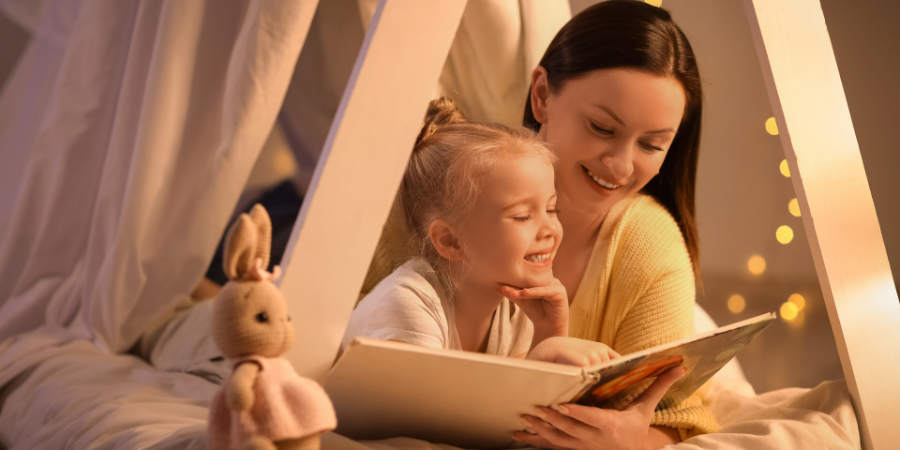
You can read a printed picture book, tell a story in your own words, or use a free story online. If your toddler gets restless, shorten the story, pause to talk about a picture, or finish with a familiar goodnight phrase. For more ideas, see how to read to a toddler who won’t sit still.
Short Bedtime Stories for 2-Year-Olds
Keep the story short. Aim for 5 to 10 minutes within a 10 to 20 minute book routine. Choose 8 to 12 pages with one simple idea, such as a sleepy animal finding its bed. Pick books with large pictures, rhythm, and repetition. Turn off the TV and other screens first.
Two-year-olds love repetition. Let your child choose the book, even if it is the same one for the fifth night. They may repeat words, point at pictures, and ask, “What’s that?” Answer in one short sentence, then pause. This gives them time to respond. Repetition also helps toddlers anticipate what comes next; see why toddlers like repetition.
Read in a low, slow, even voice. Use warm, dim light. Avoid cliffhangers, danger, and overly exciting plots because they can make it harder for your child to settle. Place the story inside a steady routine.
The American Academy of Pediatrics recommends the Brush, Book, Bed routine: brush teeth, share a book, then go to bed. Start about 30 minutes before bedtime at the same time each night. For children under 3, use a rice-grain-sized smear of fluoride toothpaste.
If bedtime remains a daily struggle after a few weeks of consistency, talk to your pediatrician. This article offers general guidance and does not replace medical advice. For a fuller routine, read how to create a bedtime reading routine for your toddler.
Funny Short Bedtime Stories for Toddlers
Funny bedtime stories work best when they are short, gentle, and easy to picture. Choose silly moments, not scary jokes. A sleepy puppy wearing pajamas on its ears can make your toddler giggle, then settle down for sleep.
Keep each story to two or three minutes. Use familiar characters, such as a teddy bear, a family pet, or a favorite toy. End with the same calm phrase each night, such as, “The puppy yawned, curled up, and fell asleep.” Predictability helps your toddler understand that sleep is coming.
Try this story idea: “Milo the Moose could not find his slippers. He looked under the bed. He looked in the toy box. Then he found them on his head. Milo laughed, put them on his feet, and went to sleep.” Add your child’s name or favorite animal to personalize it.
Avoid loud voices, exciting twists, and screens before bed. A calm routine works better: brush teeth, read or tell a short story, then go to bed at the same time each night. Regular read-aloud time also supports language and social-emotional development.
Where to Read Free Bedtime Stories Online
Several websites offer free children’s books and stories. The best choice depends on your child’s age and whether you want to read aloud yourself or use a narrated story.
- Unite for Literacy offers free digital picture books with narration in more than 50 languages. Its simple text and clear pictures suit young children.
- Storyline Online features videos of actors reading children’s books aloud. Watch together, then talk about the characters and pictures. Preview each story because some selections suit older children better.
- Oxford Owl offers a free eBook library for children aged 3 to 11. Registration is required, and the collection suits older toddlers and preschoolers more than babies.
Before you begin, choose a story that matches your child’s attention span. Open the story before bedtime and keep the device on that page. If your toddler becomes more interested in tapping the screen than listening, switch to a printed book or tell a short story without a device. You can find more age-appropriate options in best bedtime books for 2-year-olds.
Sources
- American Academy of Pediatrics, HealthyChildren.org: How to Share Books with 2- and 3-Year-Olds
- AAP Brush, Book, Bed handout, UCSF Oral Health Support
- American Academy of Pediatrics: Brush, Book, Bed
- Seattle Children’s: Sleep Routine Tips
- Fatherly: How to Tell a Bedtime Story That Puts Children to Sleep
- Unite for Literacy
- Storyline Online
- Oxford Owl Free eBook Library