How to Read Aloud to Toddlers: 8 Simple Tips for Parents
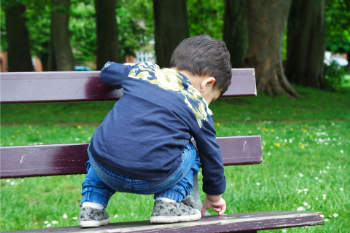
Reading aloud to a toddler looks nothing like reading to an older child. A toddler squirms, grabs the book, and turns three pages at once. Some toddlers insist on hearing the same page again and again, while others want to flip ahead before you finish a sentence. None of this means the reading fails. It means you are reading to a toddler.
Reviewed by the Chilkibo Editorial Team using pediatric literacy research and child development sources
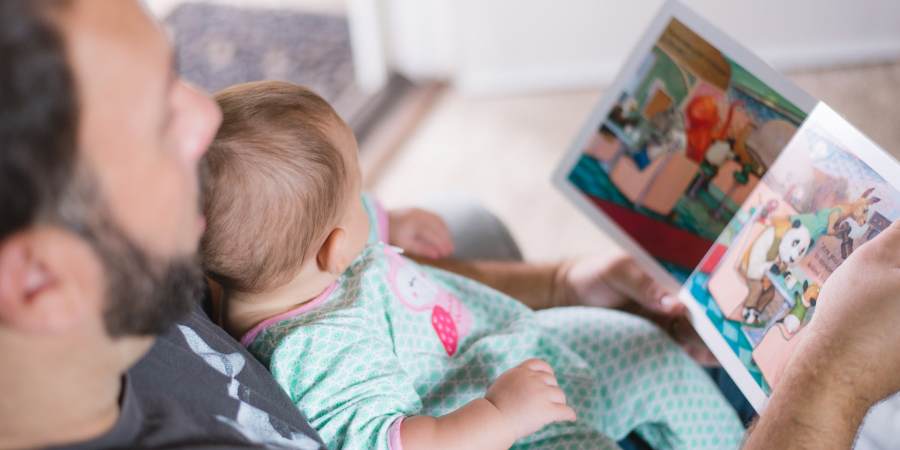
Pediatricians recommend starting shared reading at birth and continuing through kindergarten. Regular reading sessions build vocabulary, strengthen the parent-child bond, and support brain development during a critical growth window. The habit pays off well beyond the toddler years. Children who hear stories early tend to enter school with stronger language skills (American Academy of Pediatrics; HealthyChildren.org).
Toddlers Move. Let Them.
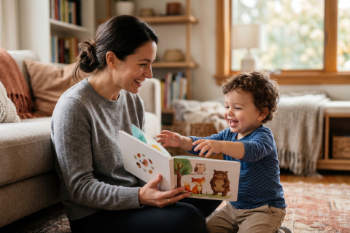
A toddler rarely sits still through a full book. Playing while listening is not disengagement. It is how toddlers process a story at this age. Continue reading even if your child wanders off to stack blocks or bounce on the couch. Their ears often stay tuned in.
You Don’t Have to Finish Every Book
It is perfectly fine to stop halfway through a story if your toddler loses interest. Reading together should feel enjoyable, not like completing a task. Revisiting favorite pages or ending early still supports language development and helps create positive associations with books.
8 Tips for Reading Aloud to a Toddler
Keep sessions short. Five minutes of full engagement beats twenty minutes of frustration for both of you.
Choose interactive books. Flaps, textures, and hidden pictures give small hands something to do while you read.
Use character voices. A silly voice for the dog and a deep voice for the bear turns story time into a performance your toddler wants to repeat.
Point and name. Point at the picture and say the word out loud. Repetition builds vocabulary alongside the story.
Ask simple questions. Ask where the cat is hiding or what color the truck is. Simple questions turn reading into a two-way conversation.
Let your toddler choose the book. A child who picks their own story often stays engaged longer than one handed a book at random.
Build reading into your routine. Pair story time with a fixed moment in the day, such as after bath time, before a nap, or as the last step before bed.
Reach for print books over screens. Research suggests that shared reading with printed books often creates richer parent-child interaction than reading from screens, making print books a strong choice for toddlers.
Why the Book Itself Matters
Young children naturally pay attention to familiar words, especially their own name. Babies often begin responding to their name between 6 and 9 months, and preschoolers gradually start recognizing their name in print (Cleveland Clinic).
Personalized books can build on these developmental milestones by making a familiar word part of the reading experience. Most importantly, regular shared reading with a caring adult is what supports early language development.
At Chilkibo, personalized paperback books weave your child’s name into the story from the first page to the last, creating another way to make story time engaging and personal.
Reading aloud to a toddler will not look like reading to an adult audience. It looks like pausing mid-sentence for a dropped toy, repeating a favorite page for the fifth time, and watching a small hand point at the picture before you finish the sentence. Every one of these moments helps build a lifelong reading habit.
As your child grows, reading together changes too. For what reading often looks like once your child reaches kindergarten age, see Can a 2-Year-Old Read? What to Expect and How to Help.