Best Gifts for a 3-Year-Old Who Has Too Many Toys

Your child’s playroom is full, and another birthday or holiday is coming. Before you add one more toy to the pile, look at what the research says about toy overload and what holds a 3-year-old’s attention.
Written with the assistance of Claude AI and reviewed by the Chilkibo Editorial Team using pediatric literacy research and child development sources
Why More Toys Do Not Mean More Fun
Researchers at the University of Toledo studied 36 toddlers between 18 and 30 months old across two play sessions, one with four toys and one with sixteen. Toddlers given fewer toys played with each one longer, moved between toys less often, and used them in a wider variety of ways. With sixteen toys in the room, many children touched ten or more of them within fifteen minutes, without settling into deep play with any single item. PubMedUToledo News
This pattern holds for 3-year-olds too. A packed shelf pulls attention in every direction. A smaller, well-chosen set of toys gives your child room to focus, build, and repeat play until a skill sticks.
The American Academy of Pediatrics reaches a similar conclusion. Its clinical report on toy selection describes simple, open-ended toys as central to a toddler’s cognitive development, language growth, problem-solving, and pretend play. Simple toys leave room for a child to direct the story, instead of the toy directing the child. American Academy of Pediatrics
The goal for gift-giving is not zero toys. It is fewer, better ones, chosen with intent.
Give An Experience Instead Of An Object
A membership to the zoo, a set of swim lessons, or a season pass to the local children’s museum leaves nothing to clutter the floor and gives your child something to look forward to.
Cornell psychologist Thomas Gilovich has spent decades studying spending and happiness. His research found people report higher happiness while anticipating an experience, such as a trip or an event pass, than while anticipating a purchase of a physical item. The same logic applies to kids. A 3-year-old will not remember a fortieth stuffed animal. A 3-year-old will remember the afternoon spent feeding goats at the local farm, told and retold at bedtime for months. Cornell Chronicle
Good options include a zoo or aquarium membership, a block of swim or gymnastics lessons, tickets to a children’s theater show, or a season pass to a local farm, science center, or botanical garden.
Choose Open-Ended Toys To Replace Clutter
Before you buy anything new, decide what leaves the shelf. A wooden block set, a box of chunky crayons, a bin of felt play food, or a basket of dress-up clothes all count as open-ended toys, meaning your child sets the rules for how they get used.
The American Academy of Pediatrics recommends simple, basic toys such as blocks, dolls, and puzzles over flashier options, since these support a child’s imagination and real interaction with a parent or caregiver. Single-function toys tend to hold attention only until the novelty fades. Open-ended ones grow with the child instead. First Things First
Swap, do not stack. Ask what is going out of the room before anything new comes in.
Pick Gifts Built To Grow With Your Child
A 3-year-old changes fast. A toy set for a strict age range often gets outgrown within months. Look instead for gifts with room to grow: a beginner balance bike your child will ride for two or three years, a set of magnetic tiles growing more complex as building skills improve, or an art supply kit scaling from finger painting to simple drawing.
A Personalized Book Adds Meaning Without Adding Clutter
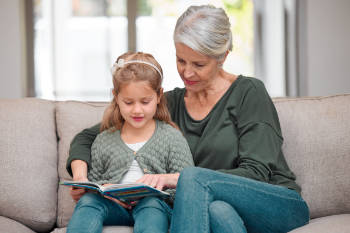
A book takes up far less shelf space than a toy, and a personalized one gives your child something a mass-produced gift cannot: a story where they are the main character, using their own name and features.
Parents who compare personalized books against toys as gifts often find the book stays in use long after a toy has been forgotten in a bin, since a story tied to your child’s identity holds attention differently than an object does.
If you want help picking the right title for a 3-year-old, this guide to choosing personalized books for toddlers walks through what to look for by age and reading stage.
Try A Subscription Instead Of A Single Gift
A monthly art kit, a book subscription, or a membership to a local library program spreads the gift out over weeks instead of dumping everything into one pile on one day. Your child gets a new activity to look forward to on a set schedule, and you avoid the spike of clutter a single big gift day creates.
Skip The Toy Aisle With Skill-Building Gifts
Kid-size gardening tools, a set of real, not pretend, kitchen tools sized for small hands, a first musical instrument like a xylophone or drum, or a water table for the yard all build skills without adding to the toy bin count. These gifts ask your child to do something rather than hold something, and doing tends to hold a 3-year-old’s attention longer than owning does.
Start A Toy Rotation Before You Buy Anything New
Before your next gift-giving occasion, sort the current toy collection into two or three bins. Keep one bin out and store the rest. Swap the bins every one to two weeks. This mirrors the setup researchers used when they found toddlers played longer and in more varied ways when given access to four toys instead of sixteen. PubMed
A rotation system gives you a clear answer to what your child already has enough of, and makes any new gift stand out instead of disappearing into the pile.
Let Your Child Help Choose What Goes
Before new gifts arrive, sit down with your 3-year-old and pick a small number of toys to donate. At this age, kids follow direction well when the task stays simple and short. Frame it as choosing toys for another child rather than losing something. This habit does two things at once: it clears space for what comes next, and it starts to build the idea that giving feels good too.
For more ideas on gifts building character instead of clutter, see this list of meaningful gift ideas for toddlers beyond toys.
Before You Buy, Check Four Things
Confirm the gift replace something in the current collection instead of adding to it. Make sure your child will still use it in a year, not only this month. Confirm it leaves room for your child to lead the play, rather than the toy leading your child. Weigh whether an experience would serve your child better than an object here.
If any of these checks favors less, choose less. A smaller, intentional gift beats a larger, forgettable one almost every time.
Sources
Fewer Toys Lead to Richer Play Experiences, University of Toledo
The Influence of the Number of Toys in the Environment on Toddlers’ Play, PubMed
Pediatricians Say Simple Toys Are Best, First Things First
Doing Makes You Happier Than Owning, Even Before Buying, Cornell Chronicle