How Personalized Books Help Shy Toddlers Talk More
If you have a shy toddler, you already know the pattern. Your child hides behind your legs when a new person says hello. They whisper instead of speak, or they watch quietly instead of joining in. Shyness is a normal personality trait, not a problem to fix. Still, many parents wonder whether their quiet child is building communication skills at the same pace as louder peers.
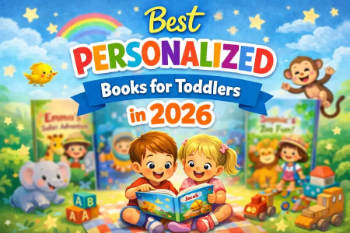
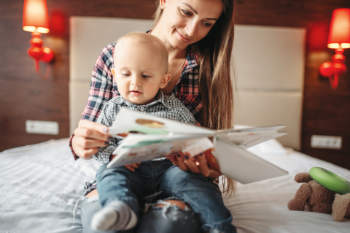
Personalized books offer one practical way to help. When a toddler sees themselves as the main character in a story, they tend to talk more about what is happening on the page. This gives shy children extra practice with language and expression in a setting that feels safe.
Written with the assistance of Claude AI and reviewed by the Chilkibo Editorial Team using pediatric literacy research and child development sources
Understanding Shyness in Toddlers
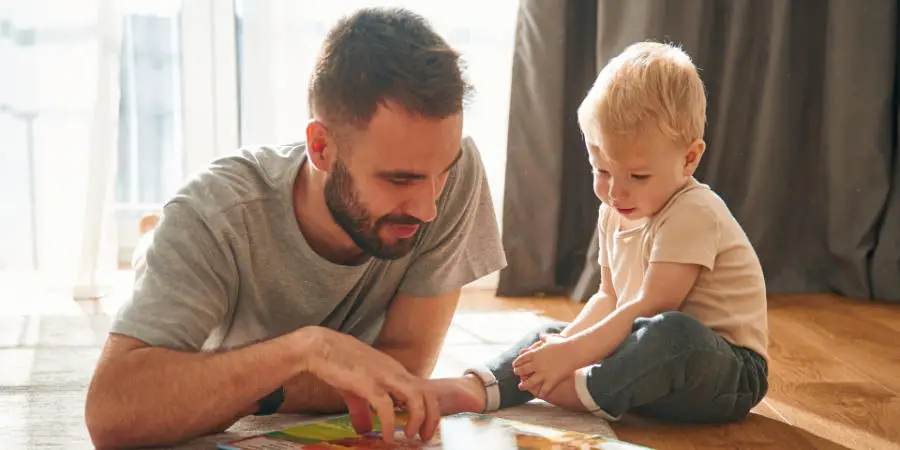
Shyness in toddlers comes from a mix of temperament and environment. Some children are naturally more cautious and observant. This is not a flaw.
ZERO TO THREE, a nonprofit focused on infant and toddler development, notes that shy children are often careful observers who learn a great deal from watching before they act. That watchfulness is a real skill, not something to correct.
Research also links early shyness to slower socio-communicative development in some children. That is exactly why extra low-pressure practice with language matters for this group.
Pushing a shy toddler to perform in front of others usually backfires. It raises anxiety instead of building confidence. Personalized books avoid that trap. They give your child a private, controlled space to practice talking about themselves without an audience watching.
Why Seeing Themselves in a Story Helps
When your toddler opens a book and finds their own name, and maybe their own family or pet in the story, something shifts. The story is not about someone else anymore. It is about them.
Psychologists describe a well documented pattern called the self-reference effect: people remember and engage with information more when it connects to them personally. Toddlers respond to this even more strongly than adults do, since their sense of self is still forming.
A Cardiff University study on parent-child reading of personalized digital books found that children engaged differently with pages built around their own name, photo, and favorite things, compared with generic pages in the same book. Chilkibo covers this effect in more depth in When Toddlers See Their Name in Books.
For a shy child specifically, this kind of validation matters. Many shy toddlers feel overlooked in group settings. Seeing themselves as the hero of a book sends a simple message: you matter, and your story is worth telling.
How Personalized Books Build Communication Skills
Built-in conversation starters
Finding topics a shy toddler wants to discuss is hard. Personalized books solve this by giving you built-in prompts that feel safe because they are about the story, and relevant because the story is about your child.
If your toddler is pictured feeding ducks at the park, ask, “What do you think you are saying to the ducks?” or “How do you feel when you are at the park?” These questions do not put your child on the spot. They invite reflection on something familiar.
For more prompts that work well with young children, see Questions to Ask During Toddler Story Time.
Narrative thinking
Shy toddlers often have active imaginations but little confidence sharing them out loud. When your child is the main character, they naturally start thinking about what happens next and how the story connects to their own life. This kind of thinking supports pre-literacy skills and encourages longer, more complete sentences, something many shy toddlers need extra practice with.
Vocabulary in context
New words stick best when they connect to something familiar. When your toddler sees themselves riding a red bicycle or baking cookies with grandma, they learn vocabulary tied to real experiences and people they know. This matters for shy children in particular, since they build new words without needing to step outside their comfort zone to encounter them.
The Social and Emotional Side
Building confidence
Every time your toddler sees themselves handling a new situation in a book, whether that is making a friend or trying a new food, they build a small mental library of positive self-images. Over time, this may support more willingness to try similar things in real life.
Talking about feelings
Shy toddlers often feel big emotions without the words to express them. A personalized book that shows your child feeling nervous about a first day of preschool gives you a natural way to talk about that feeling. Try, “You look a little worried here. Can you tell me about feeling worried?” This lands better than asking directly about your child’s current mood, since it is framed around the story rather than an on-the-spot question.
Chilkibo covers a related angle in How Animal Characters Help Toddlers Learn Emotions, which looks at how character-based stories build emotional vocabulary.
Empathy
Shy toddlers often already show strong empathy and pay close attention to how others feel. Broader child development research shows that children who feel emotionally secure tend to show more empathy toward others. Personalized books that make a child feel seen and valued may support that same sense of security. This specific link between personalized books and empathy has not been directly studied. It is a reasonable extension of the attachment and security research, not a proven result on its own.
What to Look for in a Personalized Book for a Shy Child
- Gentle challenges. A book about trying a new food or meeting a friendly neighbor works well. A book about performing on stage may feel like too much.
- Familiar settings. Environments and activities your child already knows are easier to engage with and easier to talk about.
- Positive interactions. Look for stories that show the character being kind to animals, helping a family member, or playing quietly with one friend.
- Named emotions. Books that name specific feelings give you natural openings to build emotional vocabulary.
Getting the Most Out of Story Time
- Build a routine. Shy toddlers often do best with predictability. A weekly story time or a fixed spot in the bedtime routine works well.
- Follow your child’s lead. Notice which pages get the most attention and ask more about those.
- Connect the book to real life. If the story shows a zoo trip, plan an actual zoo visit and reference the book beforehand.
- Give them time. Shy toddlers often need longer to process a question. Resist the urge to fill silence. A pause often ends with a more detailed answer than expected.
Signs of Progress
- More comments or questions during reading time
- Communication skills showing up outside of book time
- More frequent naming of feelings
- Made-up extensions to the story or “what if” questions
- More willingness to speak up in other low-pressure settings
Common Questions
Personalized books do not make children more self-centered. Children who feel secure and valued tend to show more empathy, not less, according to attachment research. A personalized book that helps a child feel seen works in the same direction.
Dependence on personalized books is rarely an issue. Most children move naturally toward other kinds of stories as their confidence builds. Personalized books work well as a bridge into broader reading, not a replacement for it.
Cost comes down to what you value. A personalized book costs more than a standard picture book. Whether that is worth it depends on how much weight you put on the communication and confidence benefits above. Families who use the same book repeatedly across bedtime and story time tend to get a low cost per use over time.
A Trait, Not a Problem
Shyness is not something to fix. It is a personality trait with its own strengths, including careful observation and strong empathy. The goal is not to turn a shy toddler into an extrovert. It is to give them tools to express their thoughts and feelings at their own pace.
Personalized books support that goal without pressure. They give your child motivation to talk, practice with language, and validation of who they already are, without asking them to become someone else.
Sources
- ZERO TO THREE. Children with Shy or Slow to Warm Up Temperaments
- National Center for Pyramid Model Innovations. Children’s Book List
- Cardiff University (published in International Journal of Educational Research). An empirical investigation of parent-child shared reading of digital personalized books
- PMC / National Institutes of Health. The role of early social play behaviors and language skills for shy children’s later internalizing difficulties in school