What Are the Benefits of Reading to Toddlers?
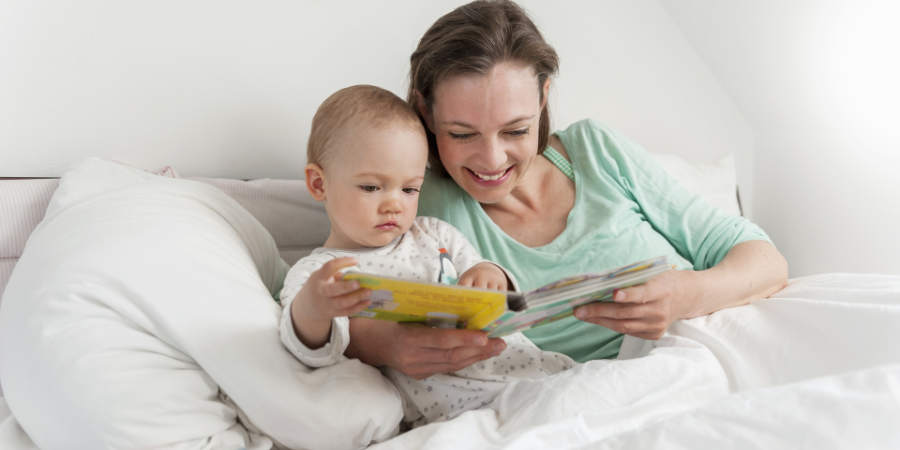
Reading to your toddler builds vocabulary, strengthens brain development, and shapes behavior at home. Decades of pediatric and psychology research measured these effects with real numbers, not vague advice.
This article covers four research-backed areas: vocabulary growth, brain development, behavior at home, and personalized reading. It also includes an original calculation showing what one bedtime book adds up to across a year.
Written with the assistance of Claude AI and reviewed by the Chilkibo Editorial Team using pediatric literacy research and child development sources.
Reading Closes a Measurable Vocabulary Gap
Researchers at The Ohio State University measured how many words toddlers hear during storybook reading at different frequency levels. The 2019 study, published in the Journal of Developmental & Behavioral Pediatrics, counted words across a sample of children’s board books and picture books, then calculated cumulative exposure by age five.
Children never read to heard about 4,662 words from books before kindergarten. Children read to once or twice a week heard 63,570 words. Children read to three to five times a week heard 169,520 words. Daily reading raised the total to 296,660 words. Toddlers read five books a day heard 1,483,300 words, a gap of well over a million words compared to children who were never read to.
Lead researcher Jessica Logan called this the million word gap. The gap matters because children who hear more vocabulary early enter kindergarten already familiar with more words in print, which speeds up how quickly they learn to read. If you want a closer look at how each new word gets absorbed during story time, see how reading helps toddlers learn new words.
What One Bedtime Book Adds Up To
The Ohio State researchers counted word totals in the books themselves. Board books averaged 140 words. Picture books averaged 228 words. Applying those averages to a single nightly reading habit turns the study into something practical.
One board book a night for a year adds up to about 51,100 words. One picture book a night for a year adds up to about 83,220 words. Keep either habit going for the full toddler stretch, roughly ages one through three, and the picture book habit alone reaches about 84 percent of the study’s full five-year daily-reading total of 296,660 words, achieved in three years instead of five.
One book a night, read consistently, moves your toddler into the top tier of word exposure the researchers measured. Skipping reading lowers that number fast. A single missed week at one picture book a night costs about 1,600 words of exposure.
Reading Shapes the Developing Brain
The American Academy of Pediatrics updated its literacy policy in 2024, the first update since 2014. The statement recommends reading aloud starting at birth and continuing at least through kindergarten.
The policy describes shared reading as a way to build brain circuitry during a critical window of development. Reading together strengthens the relationship between a toddler and caregiver while exposing the child to language patterns rarely used in everyday conversation. The statement also links early shared reading to stronger vocabulary, better language skills at school entry, and fewer behavior problems later in childhood.
Pediatricians now recommend reading during well-child visits and provide books directly to families as part of routine care. The recommendation applies to every family, not only households facing financial hardship. Higher income parents skip daily reading too, so the guidance applies broadly.
Reading Reduces Harsh Parenting and Behavior Problems
A 2019 Rutgers-led study followed 2,165 mother-child pairs across 20 large U.S. cities. Researchers asked mothers how often they read to their children at ages one and three, then followed up two years later to measure discipline style and child behavior.
Frequent reading at age one predicted less harsh parenting at age three. Frequent reading at age three predicted less harsh parenting at age five. Part of the effect ran through the child’s own behavior: toddlers read to often showed fewer behavior problems, which lowered the pressure leading to harsh discipline in the first place.
Lead researcher Manuel Jimenez described the finding as evidence a daily reading routine delivers emotional benefits alongside academic ones. Fewer difficult episodes and calmer discipline both support secure attachment, one of the strongest predictors of long-term wellbeing.
Personalized Books Increase Engagement During Reading Time
A 2013 study published in the Journal of Early Childhood Literacy observed toddlers between 12 and 33 months old while parents read three types of books with them: a personalized book made for the child, a comparable book with no personalization, and the child’s own favorite book.
Parents and toddlers smiled and laughed more often during personalized reading than during either of the other two conditions, including the favorite book. Toddlers also showed more vocal activity and more back-and-forth interaction with their parent during personalized sessions.
The effect connects to what researchers call the self-reference effect: children process and remember information tied to themselves more deeply than generic content. For toddlers building early vocabulary, this engagement means more attention on each page and more chances to hear and repeat new words. Chilkibo’s personalized story books build on this exact principle, placing your child’s name and details inside the story instead of a generic character.
How to Turn the Research Into a Daily Habit
Consistency matters more than length. Five minutes every night beats twenty minutes once a week.
Pick one set time each day. Right before a nap or bedtime works for most toddlers. Let your toddler choose the book. Choice increases attention and lowers resistance. Point at pictures and name objects, even before your child answers in full sentences. Reread favorite books without guilt, since repetition builds vocabulary retention. Track your streak for two weeks. A visible habit sticks.
For a full breakdown of how many books fit into a realistic daily routine, see how many books should you read to a toddler each day.
Reading to your toddler costs a few minutes a day and pays back in vocabulary, brain development, and a calmer household. The research is specific about the numbers. Your job is showing up with a book most nights.
Sources
- American Academy of Pediatrics, Literacy Promotion: An Essential Component of Primary Care Pediatric Practice, Pediatrics, 2024.
- Jessica A.R. Logan et al., When Children Are Not Read to at Home: The Million Word Gap, Journal of Developmental & Behavioral Pediatrics, 2019.
- The Ohio State University, A Million Word Gap for Children Who Aren’t Read to at Home, Ohio State News, 2019.
- Manuel E. Jimenez et al., Early Shared Reading Is Associated with Less Harsh Parenting, Journal of Developmental & Behavioral Pediatrics, 2019.
- Rutgers University, Reading With Toddlers Reduces Harsh Parenting, Enhances Child Behavior, Rutgers Today, 2019.
- Natalia Kucirkova, David Messer, Denise Whitelock, Parents Reading With Their Toddlers: The Role of Personalization in Book Engagement, Journal of Early Childhood Literacy, 2013.