Toddler Confidence Building Through Hero Stories
Watch a toddler listen to a story about a brave character facing down a problem. Their eyes widen. They lean forward. Hero stories hold a strong pull for young children, and the effect goes past a few minutes of entertainment.
These stories give toddlers language and images for bravery, problem solving, and self belief. Choose the right stories and talk about them with your child, and you hand them tools they carry into everyday moments, from the first day of daycare to the top of the playground slide.
Written with the assistance of Claude AI and reviewed by the Chilkibo Editorial Team using pediatric literacy research and child development sources
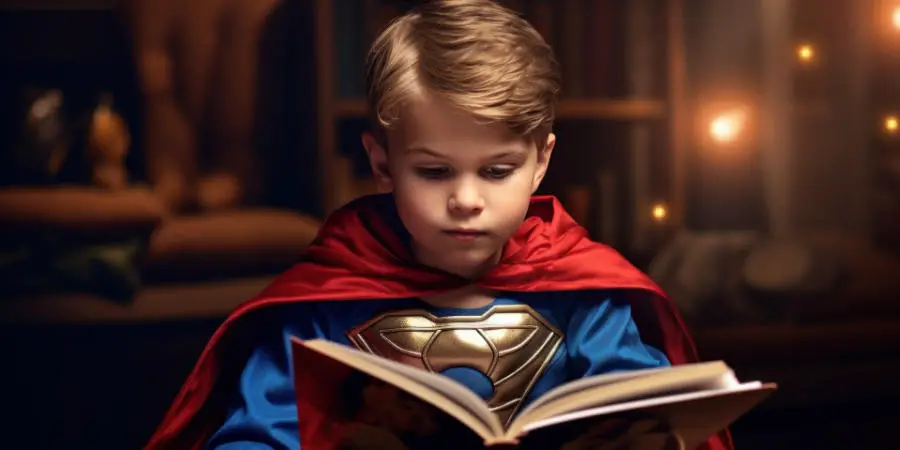
Why Hero Stories Resonate With Toddlers
Toddlers are learning they’re separate people with their own thoughts and choices. At the same time, they feel small in a world built for adults. That mix of new independence and daily limits makes stories about courage and capability land hard.
When a toddler hears about a character who starts scared and grows brave, they see a version of their own path. The story becomes a rehearsal space. Your child gets to try on brave behavior with zero real-world risk before they need it for real.
Many hero stories also show a character facing a fear directly, whether it’s the dark, a new activity, or standing up for a friend. Toddlers are building new fears constantly as their world expands. Watching a favorite character work through one gives your child a model: fear is normal, and it doesn’t have to stop you.
Three Types of Hero Stories to Try
Everyday heroes. Not every hero wears a cape. Stories about a child who ties their shoes, shares a toy, or tries a new food teach your toddler that courage shows up in ordinary moments, not just big ones.
Fantasy heroes. Dragons, knights, and magical creatures let your child explore power and change in a space that feels safe. Transformation stories, where a scared character becomes brave, mirror what your toddler is doing every day as they discover new abilities in themselves.
Animal heroes. A brave mouse standing up to a cat teaches your child that size has nothing to do with worth. Animal characters also carry emotional lessons well because toddlers already gravitate toward them. We cover why in How Animal Characters Help Toddlers Learn Emotions.
How to Pick the Right Story for Your Child
Match the story to your child, not the other way around. A cautious child benefits from stories about facing fear. A child who acts before thinking benefits from heroes who pause and plan.
Age matters too. Younger toddlers do best with short stories, clear actions, and repetition. Older toddlers can follow more steps, more characters, and simple mistakes-and-recovery arcs. If you’re not sure where your child’s current stage lands, Best Age to Introduce Personalized Books for Babies: 18 Months vs. 2 Years breaks down what to expect at each stage.
Look for heroes your child can see themselves in. Different genders, backgrounds, and abilities among story characters help every child find someone to identify with, and it builds empathy toward kids who look different from them.
Turn Story Time Into Confidence Practice
Reading the story is the first step. What you do with it afterward matters more.
Talk about it. Ask what made the character brave, how they felt when they were scared, or what your child would do in the same spot. Questions like these help your toddler connect the story to their own life. For a full set of prompts that hold a toddler’s attention, see Questions to Ask During Toddler Story Time.
Act it out. Give your toddler a scarf for a cape or a box for a boat and let them replay their favorite scene. Physical play cements what they heard and gives them a low-pressure way to practice being brave.
Point out real-life bravery. When your child shares a toy or climbs the tall slide, name it: “You were brave, just like the bear in our story.” This links the story’s lesson to something your child actually did.
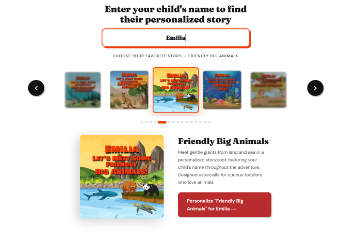
Make your child the hero. A personalized story where your child solves the problem, like a nervous trip to the doctor or a hard day at daycare, gives them direct ownership of the lesson. At Chilkibo Publishing, we build personalized books around exactly this, with your child’s name woven through the story from start to finish.
Common Concerns Parents Raise
Won’t hero stories make my child aggressive? Well-chosen stories that show heroes solving problems through communication and kindness point toward the opposite outcome. If you notice more aggressive play after a story, look at what that specific story rewards. Shift toward heroes who protect and help rather than fight.
My child seems scared by some hero stories. That’s useful information, not a problem to push through. Start gentler and build up as your child shows readiness. A little tension in a story can build courage. Ongoing fear is a sign to back off and try something calmer.
Signs the Stories Are Working
Watch for:
- More willingness to try new things
- Positive self-talk, like “I can try” or “I’m brave”
- Steadier reactions during hard moments
- More helping behavior toward other kids
- New ways of solving small problems on their own
Hero stories won’t replace the daily work of raising a confident child. But they give your toddler a shared language for courage, one they’ll reach for the next time something feels too big to face alone.
For more book ideas organized by theme, the National Center for Pyramid Model Innovations keeps a free, searchable list of social-emotional books for young children.