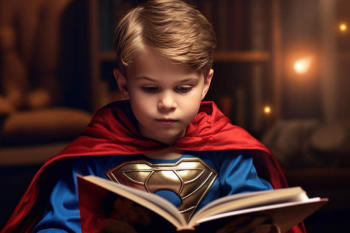
How Personalized Books Support Toddler Emotional Growth
A personalized book puts your child’s name on every page and asks simple questions about feelings. For children ages 0 to 3, this combination turns big ideas like kindness, curiosity, and empathy into something your child recognizes as their own. Research on shared reading backs this up: children pay closer attention, laugh more, and respond more to a story built around them than to a story about someone else.
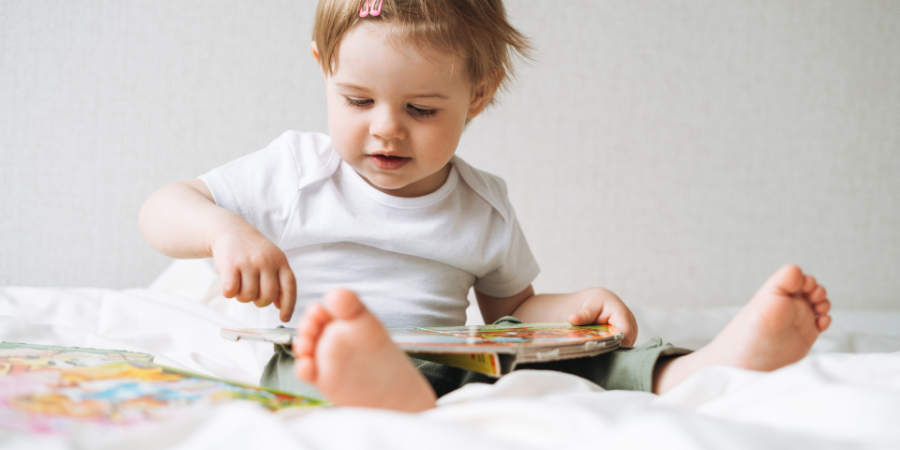
Written with the assistance of Claude AI and reviewed by the Chilkibo Editorial Team using pediatric literacy research and child development sources
What to Look for in a Personalized Book for Emotional Growth
A book built for emotional growth includes:
- Your child’s name woven into every page, not only the cover
- Gentle animal characters instead of intense or scary ones
- Simple, positive themes such as friendship, helping others, and curiosity
- A reflective question on each page, like “How does the monkey feel?”
- Sturdy pages and warm illustrations designed for little hands and short attention spans
Why Personalization Works for a Toddler’s Developing Mind
Toddlers respond to their name earlier than most parents expect. The Illinois Early Learning Project reports that children respond to their own name around five months old, and most demonstrate self-recognition, identifying themselves in a mirror or photo, around 18 months. Hearing their name in a story taps into an identity your child already recognizes.
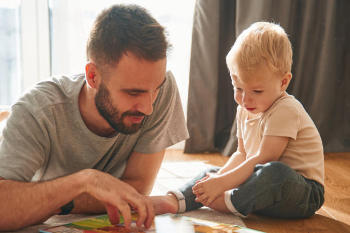
A 2013 study in the Journal of Early Childhood Literacy observed parents and toddlers ages 12 to 33 months reading personalized books together. Children and parents smiled and laughed more often with the personalized book than with a matched non-personalized one, and children were also more vocally active with the personalized book than with either the non-personalized book or their own favorite book.
A separate 2014 study looked at how personalization affects children’s own speech. It found children used more first-person language, “me,” “myself,” “I”, while reading a personalized book than a matched non-personalized one. That study involved slightly older children, with an average age just over 3, read to individually rather than by a parent, so treat it as a related finding rather than a direct extension of the 2013 toddler study above.
This higher engagement carries a real learning benefit. A separate 2014 study by the same research group found preschoolers picked up new vocabulary faster from personalized books than from standard ones. The researchers linked this to children’s higher rate of spontaneous speech and self-reference during personalized reading, which may be part of how the extra words stick.
Read more in When Toddlers See Their Name in Books.
Personalized Books by Age
Emotional growth builds in stages between birth and age 3. A personalized book supports each stage differently.
Babies (0 to 12 Months)
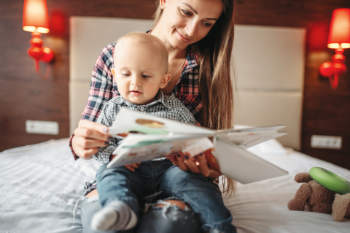
At this age, the story matters less than the routine. Cuddling up together and hearing your voice builds a sense of security. Repeating your baby’s name reinforces the bond forming from birth.
Young Toddlers (1 to 2 Years)
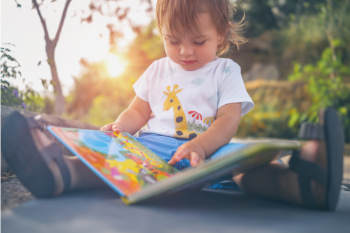
Toddlers start to recognize their own name and connect it to the story. They point at the animals on the page as you read. A line like “Look, [Child’s Name], a friendly giraffe” links the book to their world and builds early social understanding.
Toddlers Approaching Age 2 to 2.5
A study following children from 18 to 30 months found that toddlers helped and shared more readily when their parents asked them, during book reading, to name and explain the emotions on the page, rather than simply naming the emotions themselves. A question like “The kiwi is hiding. Is it shy?” gives your child the words to name a feeling and practice considering how someone else feels. This pattern showed up across the second half of this age range, so it’s worth starting the habit of asking rather than telling well before age 2.
Pair this with animal characters your child already loves. See How Animal Characters Help Toddlers Learn Emotions for more on why animals work well for this age.
How Chilkibo Books Support Emotional Growth
Chilkibo books put your child’s name on every page, not only the cover, so they stay the main character through the full story. Each story features gentle animal characters in calm settings, from safari plains to the farm. Every spread includes a simple question designed to start a conversation about feelings.
For more ways to turn story time into a real conversation, read Questions to Ask During Toddler Story Time.
Frequently Asked Questions
At what age does a baby benefit from a personalized book?
From birth. Newborns respond to the sound of your voice and the routine of being read to. Hearing their name repeated builds familiarity from the earliest days.
Do personalized books help with more than emotional growth?
Yes. Research links personalized books to faster word learning, since children stay engaged longer and talk more when the story includes their name.
How do I personalize a Chilkibo book?
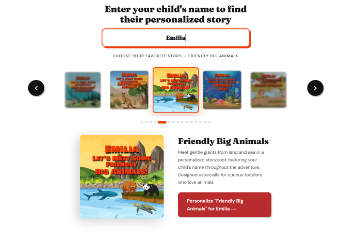
Enter your child’s name on our website, and you’ll see a preview of the personalized book before you buy.
Start Your Child’s Next Story
A personalized book gives your child a story where they are the main character, not a bystander. Explore Chilkibo’s personalized storybooks and start reading together today.
Sources
- Illinois Early Learning Project, Domain 1: Self-Concept
- Kucirkova, Messer, and Whitelock, Parents Reading With Their Toddlers: The Role of Personalization in Book Engagement, Journal of Early Childhood Literacy (2013)
- Kucirkova, Messer, and Sheehy, The Effects of Personalisation on Young Children’s Spontaneous Speech During Shared Book Reading, Journal of Pragmatics (2014)
- Kucirkova, Messer, and Sheehy, Reading Personalized Books With Preschool Children Enhances Their Word Acquisition, First Language (2014)
- Brownell, Svetlova, Anderson, Nichols, and Drummond, Socialization of Early Prosocial Behavior: Parents’ Talk About Emotions Is Associated With Sharing and Helping in Toddlers, Infancy (2013)